The Houston Comets won the WNBA’s first four championships, from 1997 through 2000. They set the standard for excellence in the league's early years, and then, within a decade, they were gone.
A new league
The WNBA was launched with the backing of the NBA, and its first season began in June 1997 with eight teams. American women's basketball was riding a wave of momentum after the U.S. national team's gold medal at the 1996 Olympics in Atlanta, and the league hoped to turn that excitement into a lasting professional league at home.
Houston was one of the founding franchises. The Comets were coached by Van Chancellor, a veteran college coach from Mississippi.
The big three
The Comets' dynasty rested on three players.
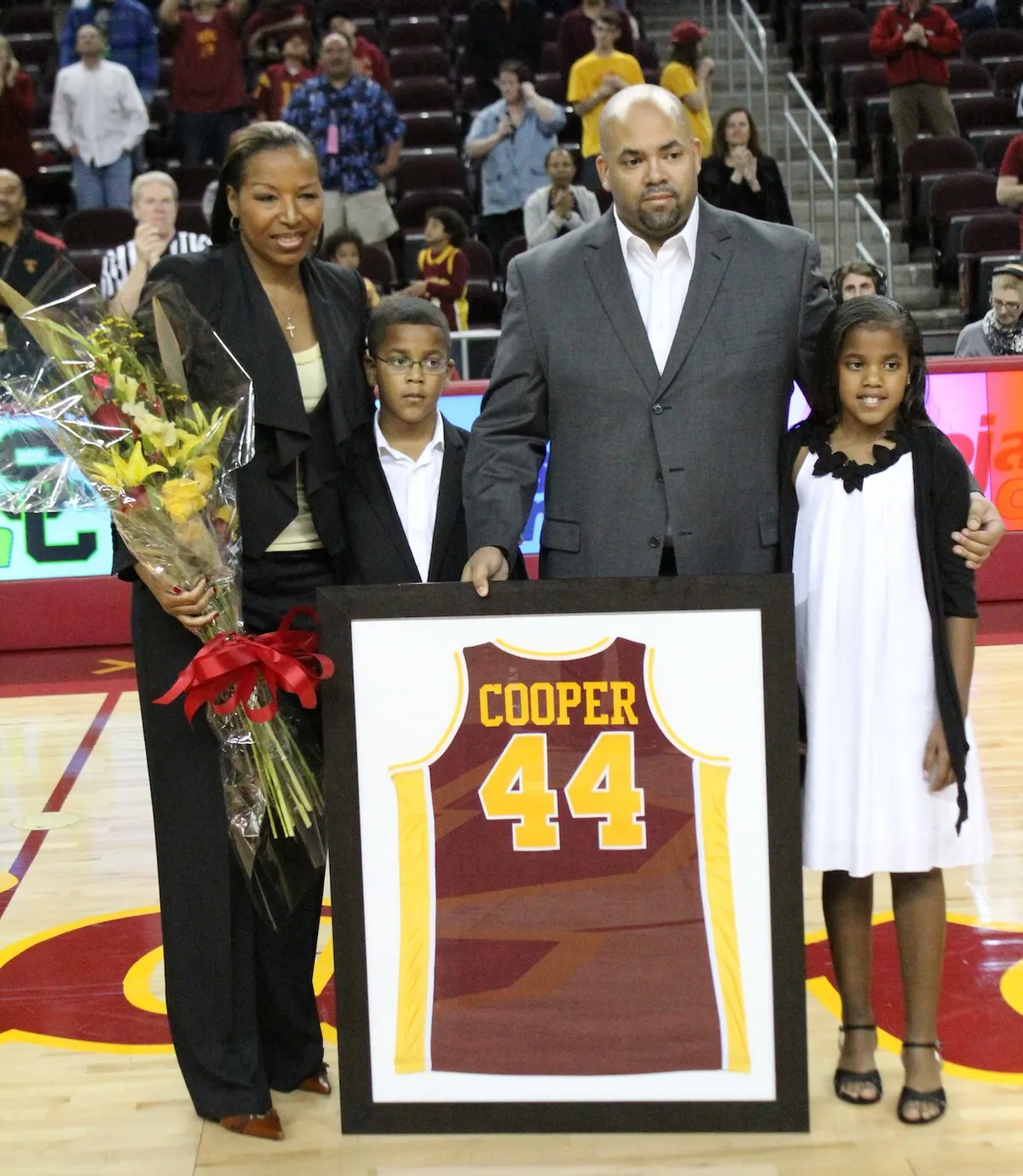
Cynthia Cooper was the star. A guard who had spent years playing professionally in Europe, she arrived in the WNBA in her mid-thirties and immediately became its best player. She scored in every way — off the dribble, from three-point range and at the free-throw line — and she was at her best in the biggest moments. Cooper was named the league's first MVP.
Sheryl Swoopes was already famous before the WNBA existed. As a college player at Texas Tech, she had led her team to the 1993 national championship. She missed much of the first WNBA season after giving birth to her son, but once she returned she became one of the most complete players in the league: a scorer, a defender and eventually a three-time league MVP.
Tina Thompson was the first pick in the league's first draft, a versatile forward from USC who could score inside and shoot from outside. She would go on to one of the longest and most productive careers in WNBA history.
The run
Houston won the first WNBA championship in 1997, beating the New York Liberty in a single championship game. In 1998 the Comets were even better, losing only three regular-season games, and they won the title again.
The 1999 season brought tragedy. Point guard Kim Perrot, the team's emotional leader, was diagnosed with cancer and could not play. She died in August 1999. The Comets played the rest of the season in her memory and won a third straight title, beating the Liberty in a Finals that included a famous half-court buzzer-beater by New York's Teresa Weatherspoon to force a deciding game. Houston won that game and dedicated the championship to Perrot.
In 2000, the Comets completed the four-peat, sweeping the Liberty in the Finals. Cooper was named Finals MVP for the fourth year in a row.
Reading the four championships
The title count is consistent, but the route was not identical each year. The 1997 championship was decided in one game. The 1999 Finals required a deciding game after New York extended the series, while Houston swept the 2000 Finals.
Cooper’s four Finals MVP awards connect those different finishes. The award identifies her contribution in each championship series or game; the four team titles describe the broader achievement shared by the roster and coaching staff.
The end of an era
Cooper retired after the 2000 season, and although she briefly returned in 2003, the Comets never won another title. Swoopes and Thompson remained stars, and Houston stayed competitive for several seasons, but the league around them was growing stronger. Teams such as the Los Angeles Sparks and the Detroit Shock took their turns at the top.
Off the court, the franchise struggled. Ownership changed, attendance declined and no new owner stepped forward to keep the team in Houston. After the 2008 season, the WNBA’s first champion folded.
The legacy
The Comets' influence on the WNBA is hard to overstate. In a brand-new league that had to prove it belonged, Houston provided a team worth chasing and stars worth watching. Cooper, Swoopes, Thompson and Chancellor all went on to be inducted into the Naismith Memorial Basketball Hall of Fame.
Those first four championships give readers a clear starting point for WNBA history. Follow the title list from Houston to the teams that succeeded it, and the league’s early competitive landscape becomes easier to understand.