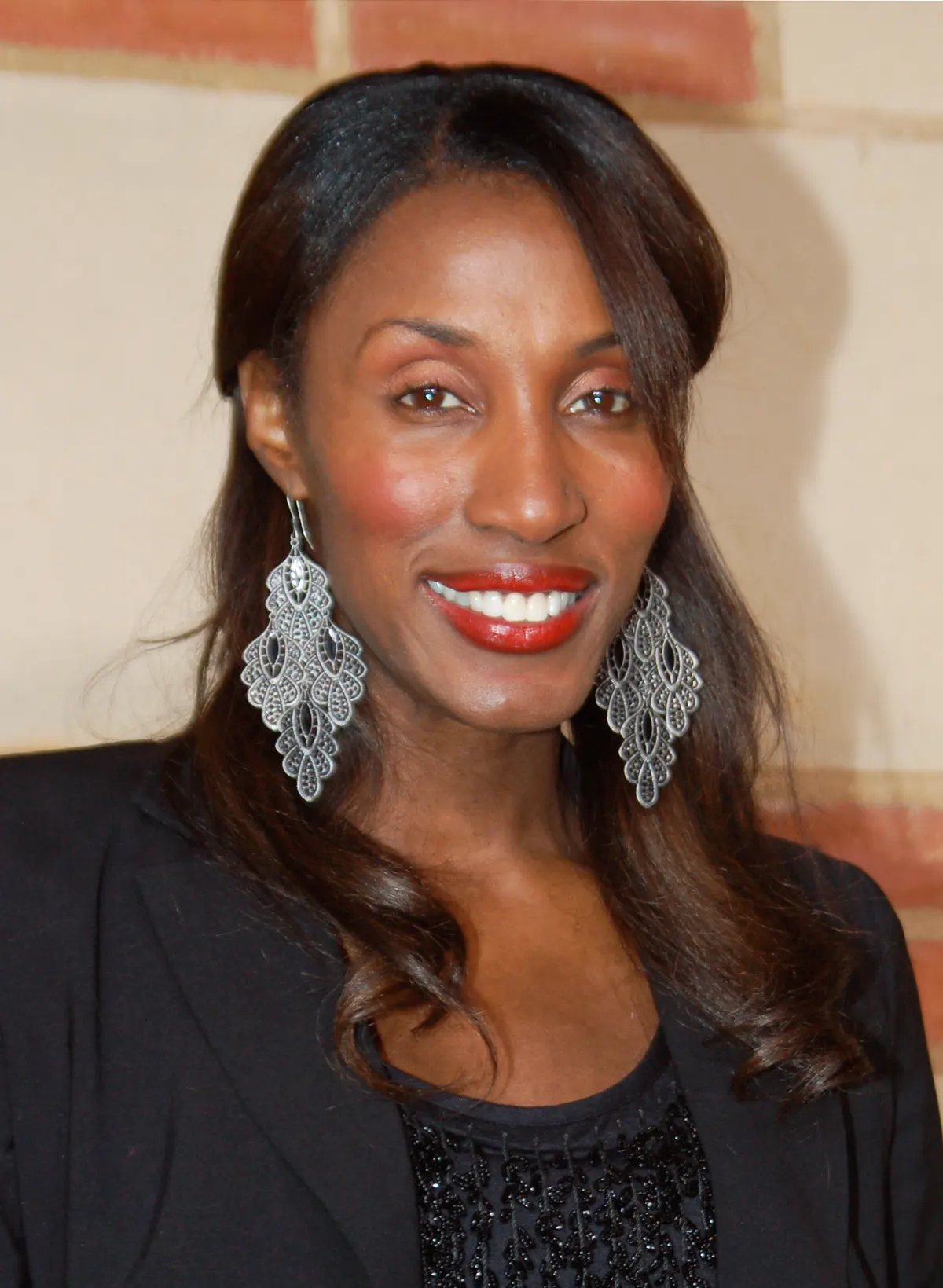
On July 30, 2002, during a game against the Miami Sol, Lisa Leslie of the Los Angeles Sparks caught the ball on a fast break, rose and dunked it with one hand. The crowd in Los Angeles erupted. It was the first dunk in the history of the WNBA, and it instantly became one of the league's most famous moments.
The dunk was a highlight. The career behind it was even more remarkable.
A star from the start
Leslie grew up in Southern California and was a basketball phenomenon from her teens. In high school she once scored 101 points in the first half of a game, which ended at halftime when the opposing team refused to continue. At USC she became one of the best players in the country, a 6-foot-5 center with guard-like skills.
Before the WNBA existed, Leslie was already part of the U.S. national team. She won her first Olympic gold medal at the 1996 Games in Atlanta, the tournament that helped spark the creation of the league.
The Sparks
When the WNBA launched in 1997, Leslie was assigned to her hometown team, the Los Angeles Sparks. She was the league's ideal ambassador: a dominant player who was also comfortable in front of cameras, combining elegance with toughness.
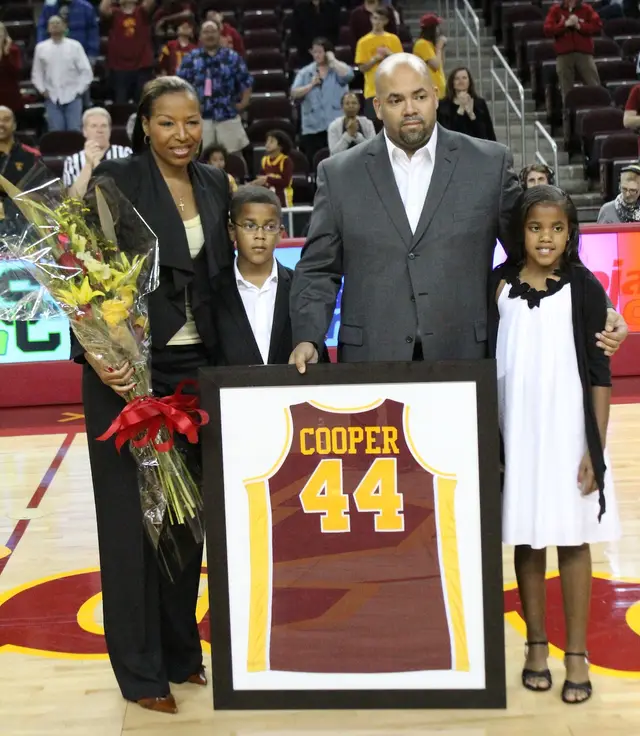
The Sparks spent their first few seasons chasing the Houston Comets, who won the league's first four titles. That changed when Michael Cooper, a former Lakers guard and five-time NBA champion, took over as coach. He brought the defensive intensity and confidence of the Showtime Lakers to the Sparks, and by 2000 Los Angeles was one of the best teams in the league.
Back-to-back
In 2001, with the Comets' dynasty finally over, the Sparks broke through. Leslie had perhaps the best season of her career, winning the regular-season MVP, the All-Star Game MVP and the Finals MVP in the same year. The Sparks beat the Charlotte Sting in the Finals to claim the franchise's first championship.
They won again in 2002, sweeping the New York Liberty, and Leslie was once more named Finals MVP. For two seasons, Los Angeles was the WNBA's standard, combining Leslie's inside dominance with strong guard play and Cooper's demanding defense.
The rivals
Every great team needs a great opponent, and the Sparks had several. Before their titles, they spent years trying to get past the Houston Comets, and the battles between Leslie and the Comets' stars were some of the most intense in the early league.
After their two championships, the Sparks had a chance to become the WNBA's second dynasty. In 2003 they reached the Finals again, this time against the Detroit Shock, coached by former Pistons star Bill Laimbeer. Detroit won the series in three games, ending the Sparks' bid for a third straight title and announcing a new power in the league. The Shock would go on to win two more championships later in the decade.
The dunk
The dunk in July 2002 came during that second championship season. Women had dunked in college and in other settings before, but never in a WNBA game. When Leslie finally did it, the reaction was enormous. Highlight shows played it over and over. Critics who dismissed women's basketball because players rarely dunked lost one of their favorite arguments.
Leslie herself was careful about the moment's meaning. She said it was a fun play, but that the women's game should be judged by its skill, teamwork and fundamentals, not by whether players dunked. Still, the image of her rising above the rim has become a symbol of the early WNBA.
A long career
Leslie played her entire WNBA career with the Sparks, from 1997 to 2009, apart from one season missed while she had a child. She won three league MVP awards and was a constant presence on the U.S. national team, adding Olympic gold medals in 2000, 2004 and 2008 to her first in 1996. Four Olympic golds made her one of the most decorated players in the history of the sport.
She retired in 2009 as the WNBA's career leader in points and rebounds at the time, and she was later inducted into the Naismith Memorial Basketball Hall of Fame.
The league she helped build
The WNBA's early years were uncertain. Teams moved or folded, attendance varied and the league constantly had to justify its existence. Players like Leslie gave it credibility. She was dominant enough to win championships and visible enough to bring new fans to the game.
The dunk was a moment. The career was a foundation. Every WNBA star who has followed — and every record crowd and television audience the league now draws — stands, in part, on what players like Lisa Leslie built in those first seasons.