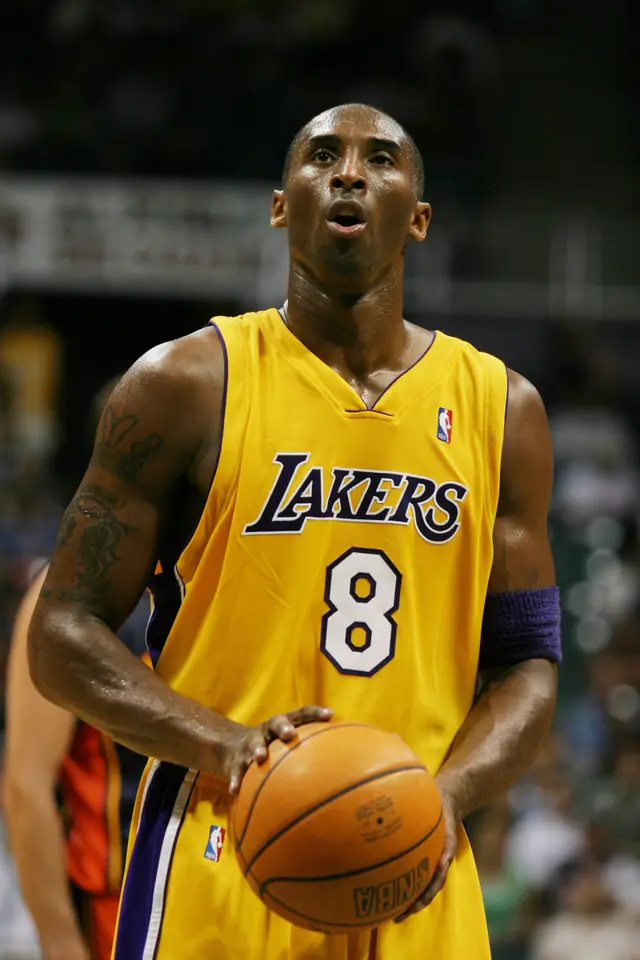
Few rules have changed basketball as much as a painted arc. The three-point line rewards distance, pulls defenders away from the basket and turns a comfortable lead into a dangerous one in a minute. It was not invented by the NBA, which played without it until 1979.
A rebel idea
The first league to award three points for a long shot was the American Basketball League in 1961, a short-lived rival to the NBA. When the American Basketball Association launched in 1967, it adopted the line from its very first season. It fit the ABA's identity: faster, flashier and different from the established league.
The NBA's one-year trial
The NBA finally adopted the three-point line for the 1979–80 season, at first on a one-year trial. It stayed. That same season was also the rookie year of Magic Johnson and Larry Bird.
College basketball followed a few years later. After some conferences experimented with it, the NCAA adopted the line nationally in 1986–87, at 19 feet 9 inches.
Moving the line in — and back out
The NBA's line is not a perfect circle. It sits 23 feet 9 inches from the center of the basket at the top of the arc and 22 feet in the corners, where the sideline leaves no room for the full distance. That makes the corner three the shortest three-pointer on the floor.
From 1994–95 to 1996–97, the NBA tried a shorter line, a uniform 22 feet all the way around. From 1997–98 it returned to the original distance.
Different leagues, different arcs
The international game uses its own distance: FIBA's arc is 6.75 meters (22 feet 1¾ inches). The WNBA moved to that FIBA distance in 2013, and by 2017 lengthened the corners to match the NBA. Watching different competitions, you are not always looking at the same shot.
Why it matters for history
Because the line arrived at different times in different leagues, comparing players across eras needs care:
- Scorers before 1979–80 in the NBA had no three-point shot at all — every long jumper was worth two.
- ABA statistics include threes from 1967; NBA statistics from the same years do not.
- College numbers before 1986–87 come from a game without a national three-point rule.
So when you read about Wilt Chamberlain's 100 points in 1962, remember that none of them could have been threes. When you read about Kobe Bryant's 81 in 2006, seven of his baskets were.
The legacy
The ABA lost its fight with the NBA, but its arc won. Every NBA offense is now built around the spacing the three-point line creates. Our story on the red, white and blue ball tells how the rebel league that popularized it changed the game in other ways too.