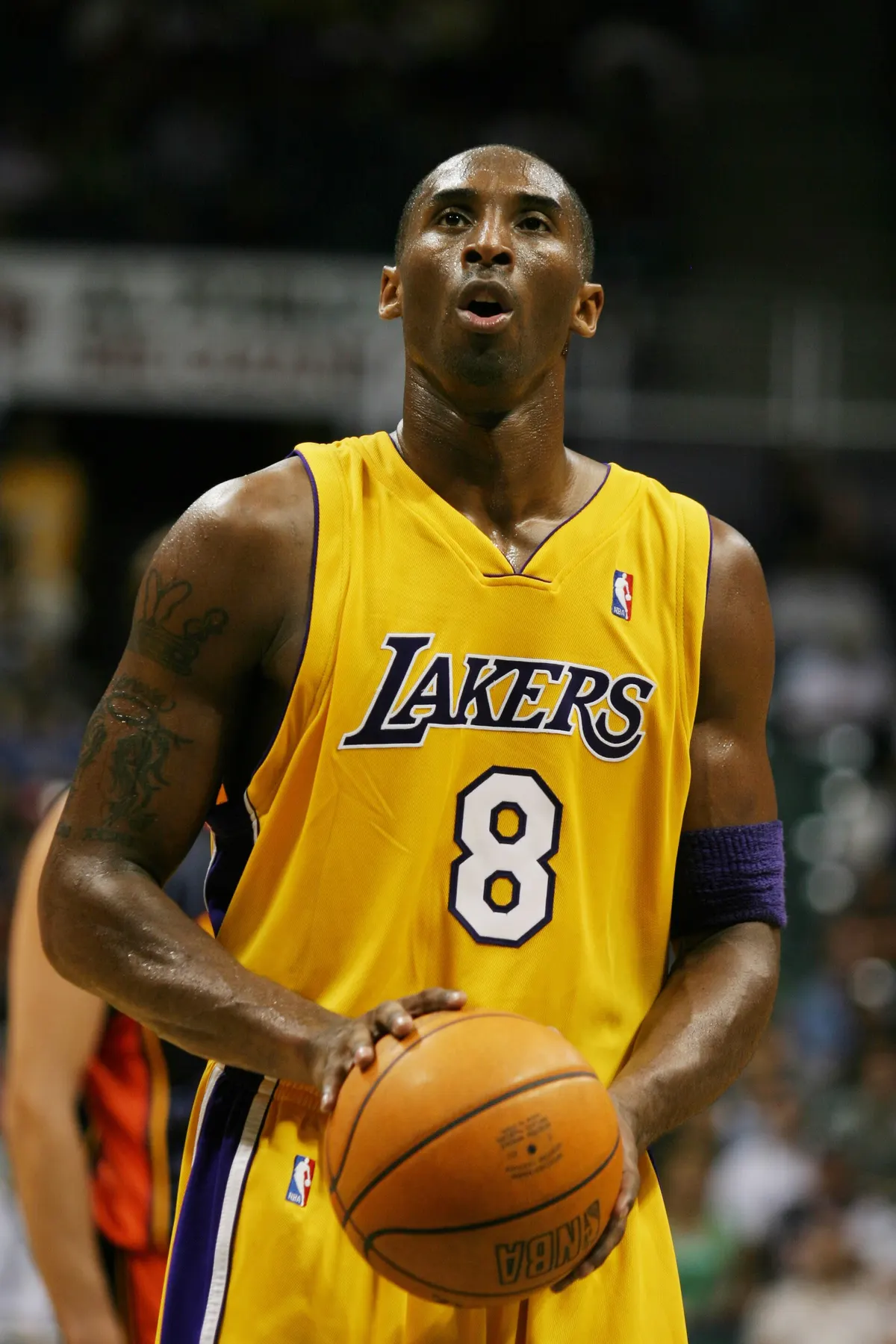
On a Sunday night in January 2006, the Los Angeles Lakers were losing at home to the Toronto Raptors, one of the weaker teams in the league. By the middle of the third quarter they trailed by 18 points. Bryant finished with the highest single-game total any NBA player had reached since Wilt Chamberlain's 100 in 1962.
The setting
The Lakers of 2005–06 were not the champions of a few years earlier. Shaquille O'Neal had been traded to Miami in 2004, and Phil Jackson had returned to coach a thin roster built around Bryant. The team was hovering around .500, fighting for a playoff spot.
Bryant carried an enormous offensive load all season. He would win the scoring title with an average of more than 35 points per game, the highest by any player since Michael Jordan in 1986–87. Big nights were routine. A month earlier he had scored 62 points against Dallas in only three quarters, sitting out the fourth with the game already decided.
But nothing suggested January 22 would be historic. The Raptors arrived at Staples Center with a losing record and few expectations.
Falling behind
For the first half, the game followed a familiar script for that Lakers team. Bryant scored well — 26 points by halftime — but his teammates struggled, and Toronto's offense found easy baskets. Early in the third quarter, the Raptors stretched their lead to 18.
At that point, Bryant took over completely.
The second half
What followed was a sustained display of every scoring skill a guard can have. Bryant hit pull-up jumpers off the dribble. He drove past defenders and finished at the rim. He made three-pointers from well beyond the line. He drew fouls and converted at the free-throw line. Toronto tried different defenders, double-teams and zone looks. Nothing worked.
He scored 27 points in the third quarter alone, and the Lakers erased the deficit and pulled ahead. He added another 28 points in the fourth quarter.
When Jackson finally took him out in the final minute, with the game safely won, Bryant had 81 points. He had scored 55 in the second half alone. The Lakers won 122–104.
The numbers
The efficiency was as remarkable as the total:
- 28 of 46 from the field
- 7 of 13 from three-point range
- 18 of 20 from the free-throw line
For context, the rest of the Lakers combined scored 41 points that night — roughly half of Bryant's total.
Reading the scoring line
The field-goal total includes the seven three-pointers. Subtract those from 28 and Bryant made 21 two-pointers: 42 points from twos, 21 from threes and 18 from free throws. Together they account for all 81 points.
That calculation also explains why adding three-pointers on top of field goals without adjusting their value double-counts some baskets. Our box score guide walks through the same arithmetic with a practice example.
Not a one-off
The 81-point game did not come out of nowhere, and it was not the end of Bryant's scoring peak. In March 2007, Bryant scored 50 or more in four straight games.
What made Bryant so difficult to defend was range. He could post up smaller guards, shoot over bigger defenders, finish with either hand and make difficult shots with a hand in his face. On the night of the 81, he did all of those things within a single half.
Why the game matters
The final total is only one way to read the performance. Bryant scored 26 points before halftime and 55 afterward, while the Lakers turned an 18-point deficit into a 122–104 win. The scoring line and the changing score tell complementary parts of the story: how the points were made, and what they did for the team.